Many assume that the hardest part of supplying an industrial or aviation component is finding it in stock or arranging urgent delivery. In reality, the biggest risk often arises earlier — during the selection stage. A single incorrect digit or an overlooked revision can result in stalled projects, equipment downtime, or even damage to machinery.
That’s why we go far beyond basic part-number matching. Every order we process goes through internal technical validation — involving engineers, archived catalogs, revision history, and physical compatibility checks. All of this happens before the customer receives order confirmation.
In practice, we regularly encounter systematic mistakes. A customer might refer to an outdated manual, unaware that the revision has been discontinued. Some part series undergo minor, invisible changes that turn out to be critical during installation. And suppliers often ship “almost right” components based on superficial similarities — which leads to returns, delays, and reputation risks.
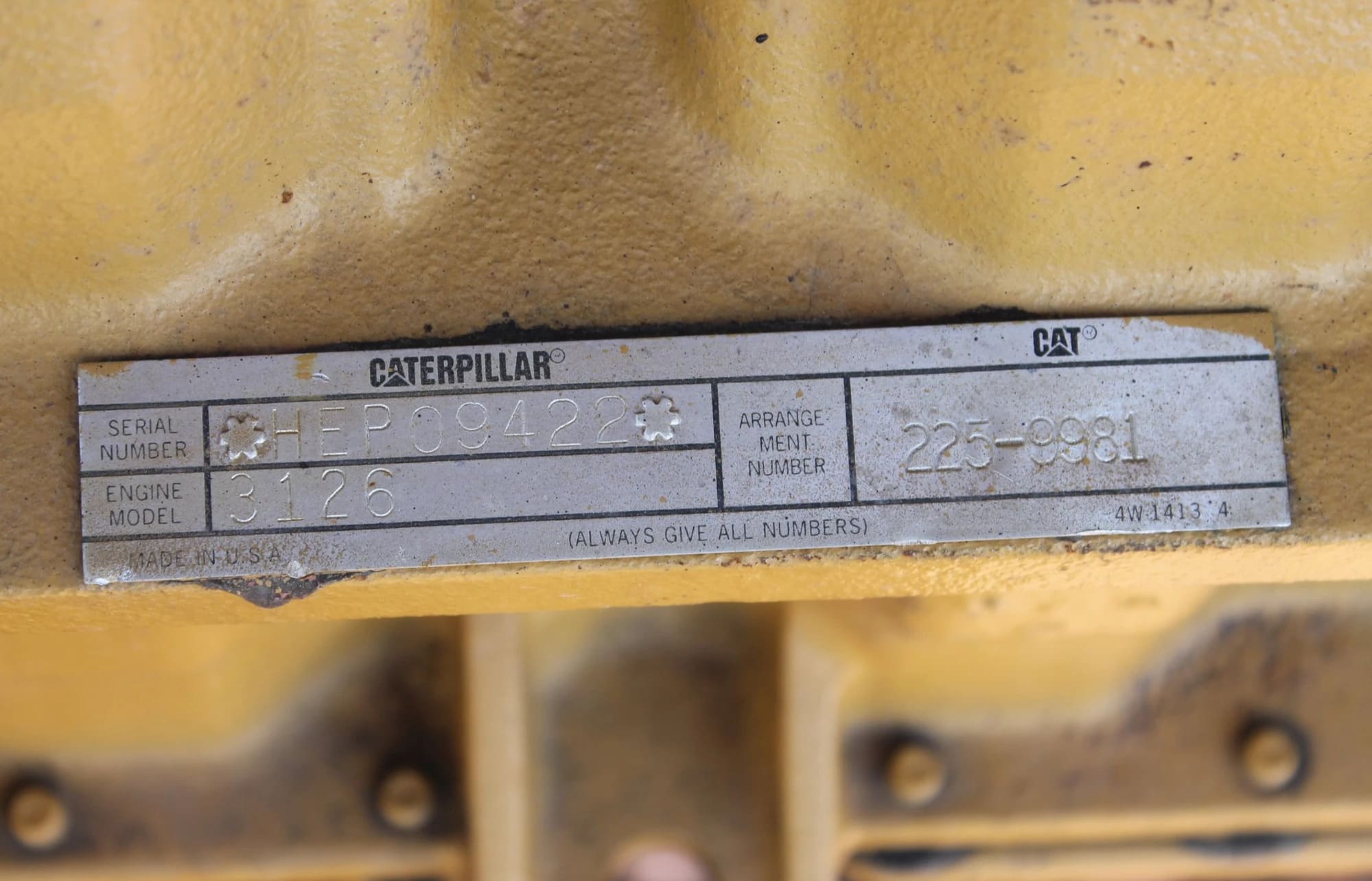
We do things differently. If there’s even the slightest doubt, we pause the process. We reach out to the manufacturer, verify factory updates, check production dates, and compare assembly versions — down to subcomponent specifications. If the client doesn’t have the exact part number, we ask for a nameplate photo, machine configuration, option codes, or the model of the module it belongs to.
There’s no automation in this stage. It’s manual, detail-oriented work — and that’s the only way to ensure accuracy, especially in critical applications: aviation, heavy machinery, energy, high-pressure and high-temperature systems.
We’re often asked: “Why does it take so long to confirm?” Because speed doesn’t equal precision. We don’t measure success in shipments — but in getting it right. So that once it arrives, it fits, it works — and you never have to reorder, explain to engineers, or stop the operation.
Accuracy isn’t a service. It’s the foundation of trust. And we build it into every order.